
This year’s Shakespeare journey takes us to Venice and Cyprus — conveniently all located at teh beautiful Theatron, Westpark, Munich.
THE PLAY
‘O, beware my lord of jealousy./It is the green-eyed monster which doth mock/The meat it feeds on.‘ —OTHELLO, act 3, scene 3
The first recorded performance of Othello dates to 1st November 1604, shortly after James VI of Scotland had ascended the English throne and became James I.
Set in the city-state of Venice, the play takes place within the context of the city’s struggle during the 1570s with the Ottoman Empire for control of Cyprus, thereby evoking the Renaissance conflict between Christianity and Islam: the self and the other, the known and the unknown. To heighten the unknown as devious and dangerous, Shakespeare heavily drew on The Travels of John Mandeville (1350-70s), depicting various wonders such as headless men and other curiosities. However, Shakespeare’s main influence for Othello was a tale of a mixed-race marriage in Cinthio’s De Gli Hecatommithi, 1565. Shakespeare heightens jealousy as the driving force of conflict; as such, nearly all characters show signs of jealousy, most notably Othello and Iago, but also Bianca, Brabantio and Roderigo.
During Shakespeare’s time, the part of Othello was played by the company’s star actor, Richard Burbage, wearing black make-up and a wig made of black lamb’s wool. The first person of colour to portray Othello on stage was Ira Aldrige in 1826. Notable actors—black and white—followed such as Paul Robeson, Laurence Olivier, Patrick Stewart, Laurence Fishburne, Thomas Thieme and Chiwetel Ejiofor.
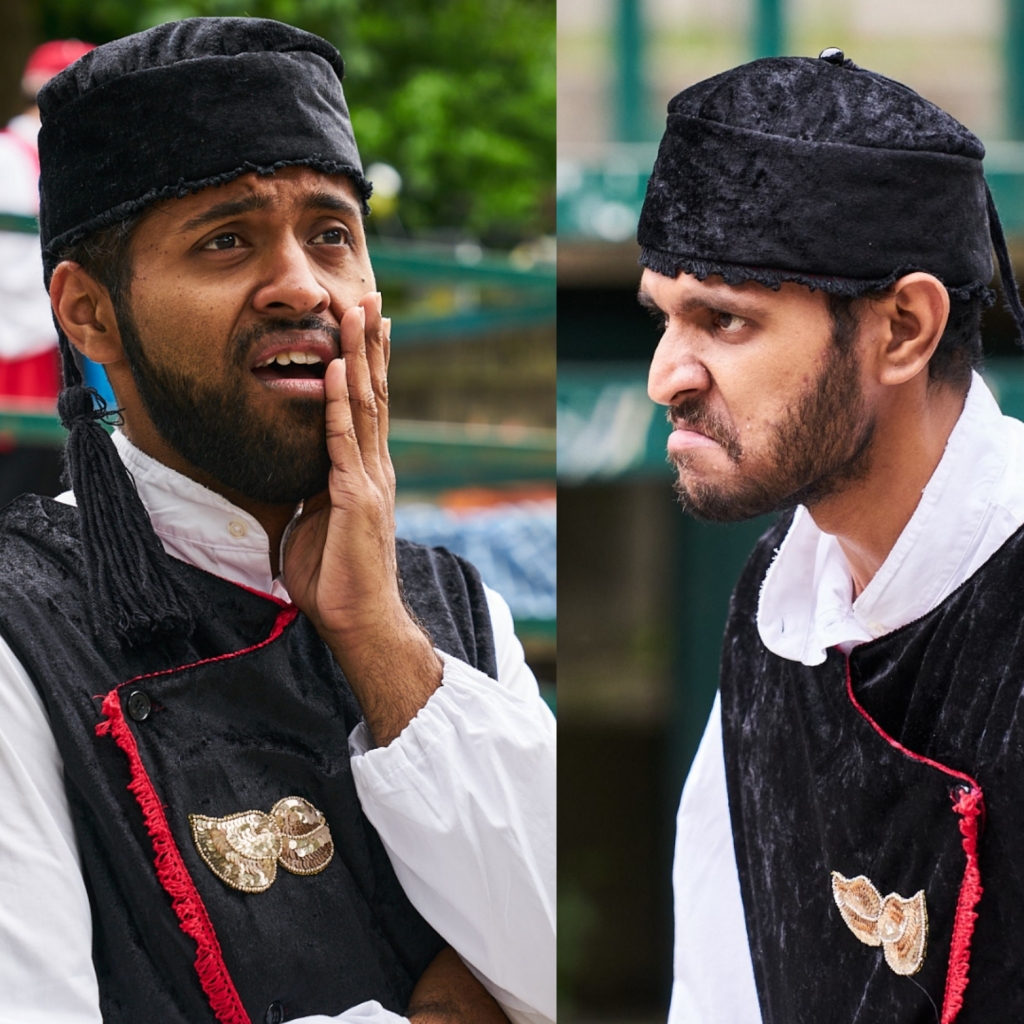
Entity Theatre’s production features Shreyas Bettadapura Raghavendra and Vaishak Raju (understudy) in the title role.
THE STORY
‘This is the night/That either makes me or fordoes me quite.’ — OTHELLO, act 5, scene 1
Venice.
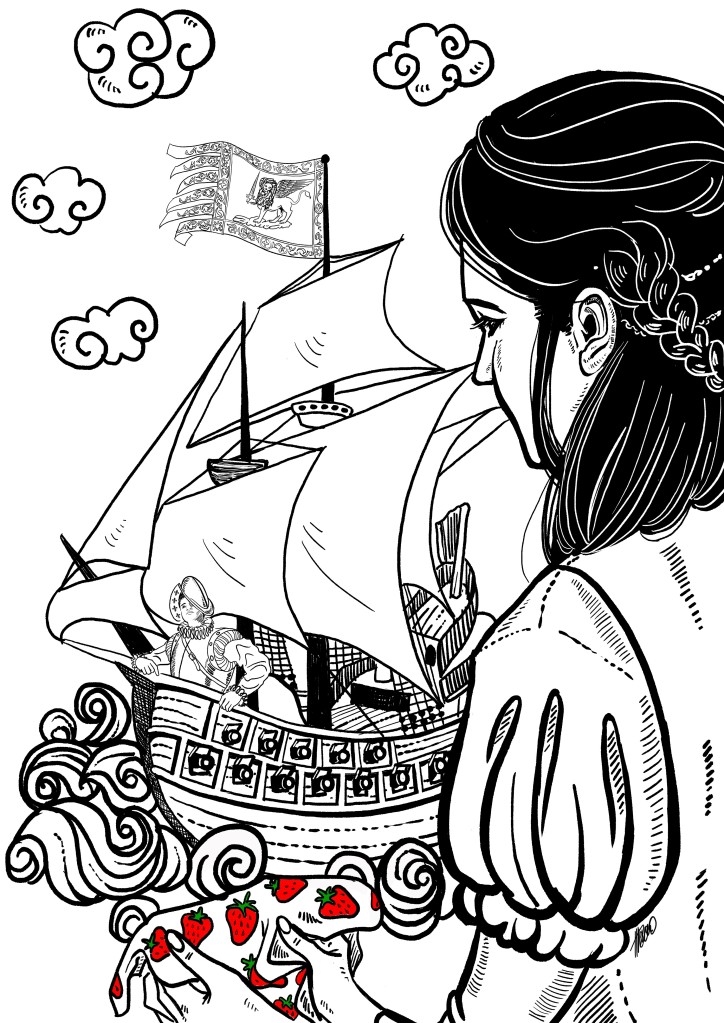
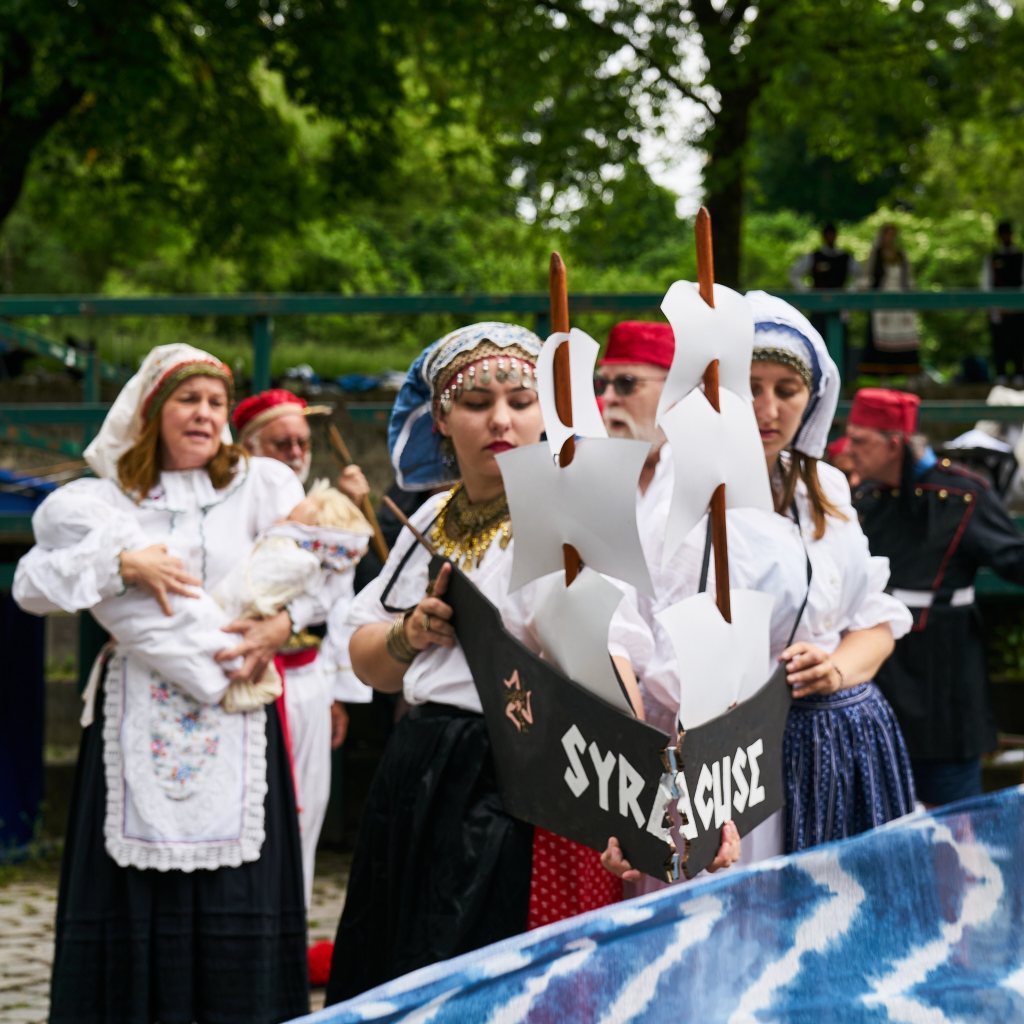
When the Turkish fleet launches an attack on Cyprus, La Duchessa and the Senate decide to send the valiant general Othello to Cyprus’ defence. Othello, obedient to follow orders, immediately sets sail for Cyprus, on board his newlywed wife, Desdemona.
Meanwhile, Othello’s ancient, Iago, is furious about being overlooked for promotion and plots to take revenge against Othello. He manipulates Othello into believing that his wife Desdemona is unfaithful. Jealousy begins to consume Othello, turning his love for Desdemona into bitter hatred. The evidence? A strawberry-spotted handkerchief.

Directed by Conny Loder & John Yates, produced by Ken Lawler & Peter Heinz
Performance dates 7–9, 14–16 & 21–23 July 2023, 19:00
Join us this summer at the Theatron, Westpark. Admission is free, donations are welcome.
More information coming soon.
Due to the nature of outdoor theatre, we may have to cancel a performance. Please check here for a weather update by 16:00 on performance days: 0176 52441735
CAST
(in alphabetical order)
Alexandra Krienke (Understudy Iago)
Blair Gaulton (Soldier)
Cindy Bloes (Soldier, Understudy Desdemona)
David Hall (Brabantio)
Franziska Hass (Soldier)
Helen Schulz (Emilia)
Jennifer Mikulla (La Duchessa of Venice)
Kübra Kocak (Soldier)
Megan Nerlich (Understudy Emilia, Cassio)
Natalie Barnes (Lodovico)
Sara Brandt (Desdemona)
Shreyas Bettadapura Raghavendra (Othello)
Sophie Cretaine (Bianca)
Stefan Füssl (Iago)
Susan Kelly (Gratiano)
Tai Steyn (Cassio)
Tengiz Alpenidze (Roderigo)
Vaishak Raju (Montano, Understudy Othello)
CREW
Stage Management: Christine Fuss, Sarah Ryan
Costumes: Janet Giannone, Claire Middleton, Kübra Kocak, Estefanía Vidal, Lina Peller, Alexandra Krienke
Set Design: Ken Lawler, Anton Loder
Music Director: Helen Schulz
Front of House: Jeremy McCowatt
Dance Director: Sophie Cretaine
Fight Director: Sara Brandt
Photos: Tom Hafner
Marketing & Creative: Polyxeni Pelteki, Peter Heinz, Susanne Moog, Anna Rozman
Diction Coach: David Viita
Watch our trailer here:



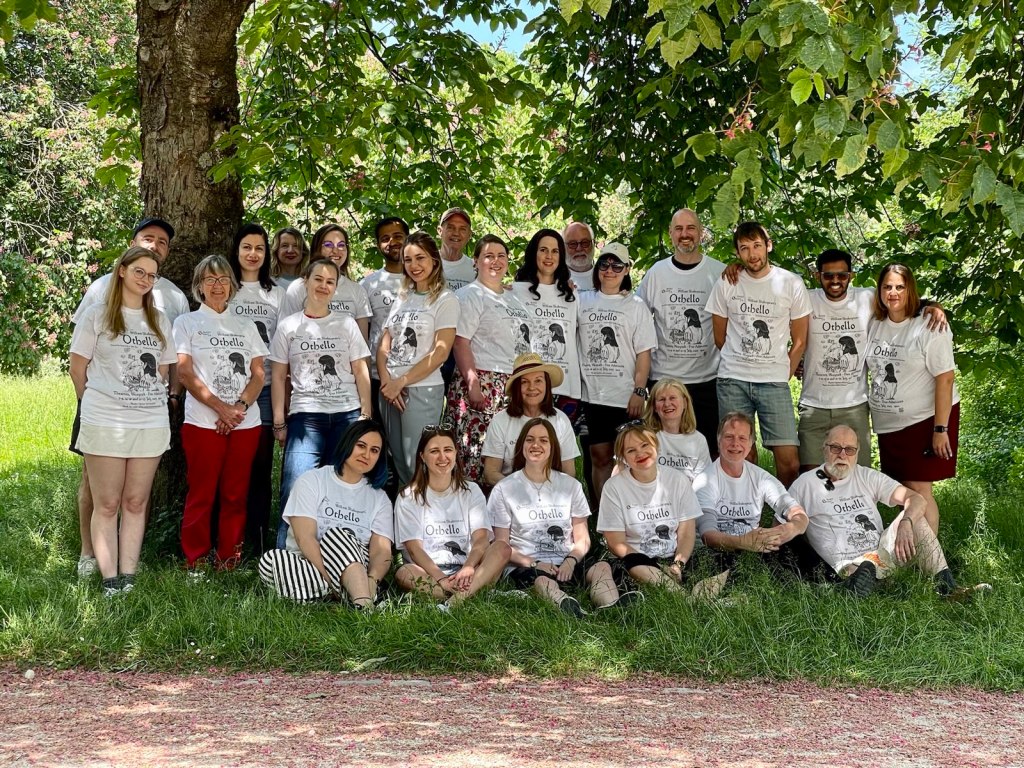

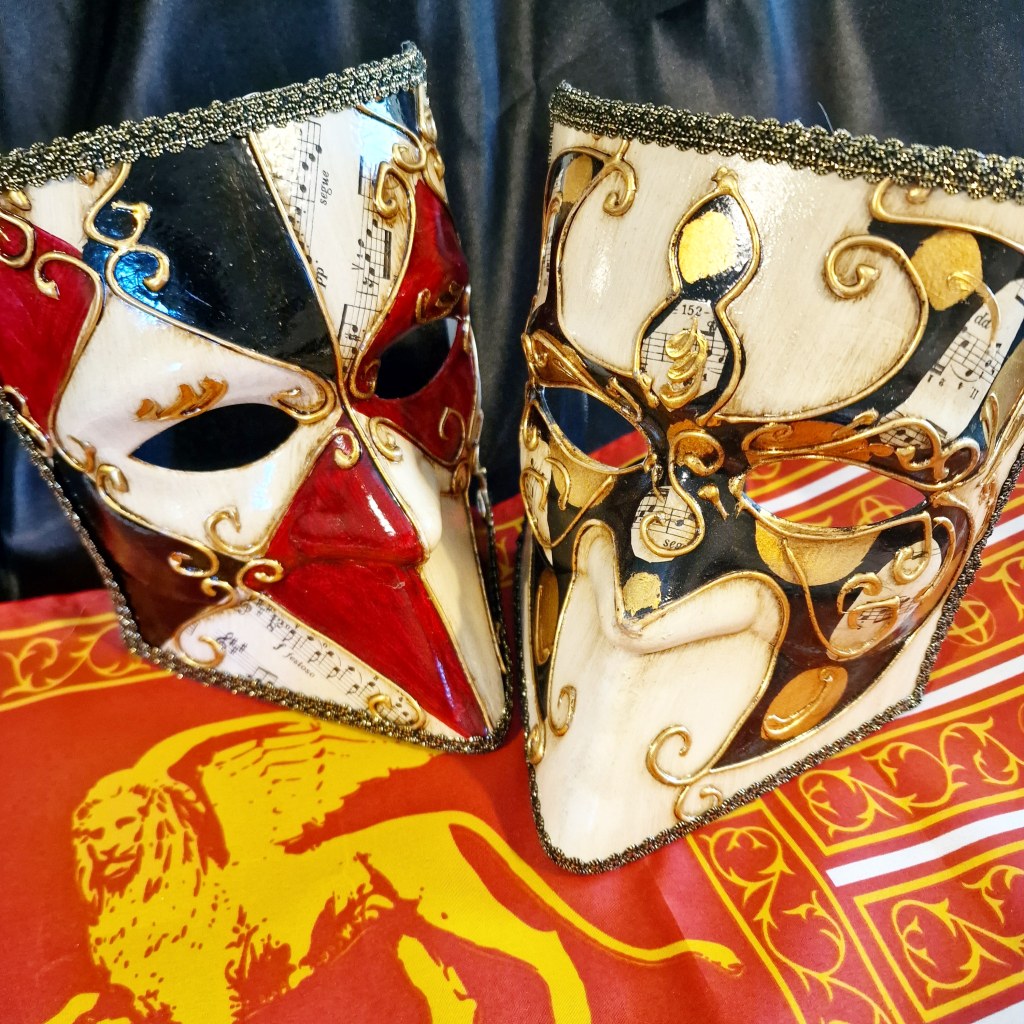


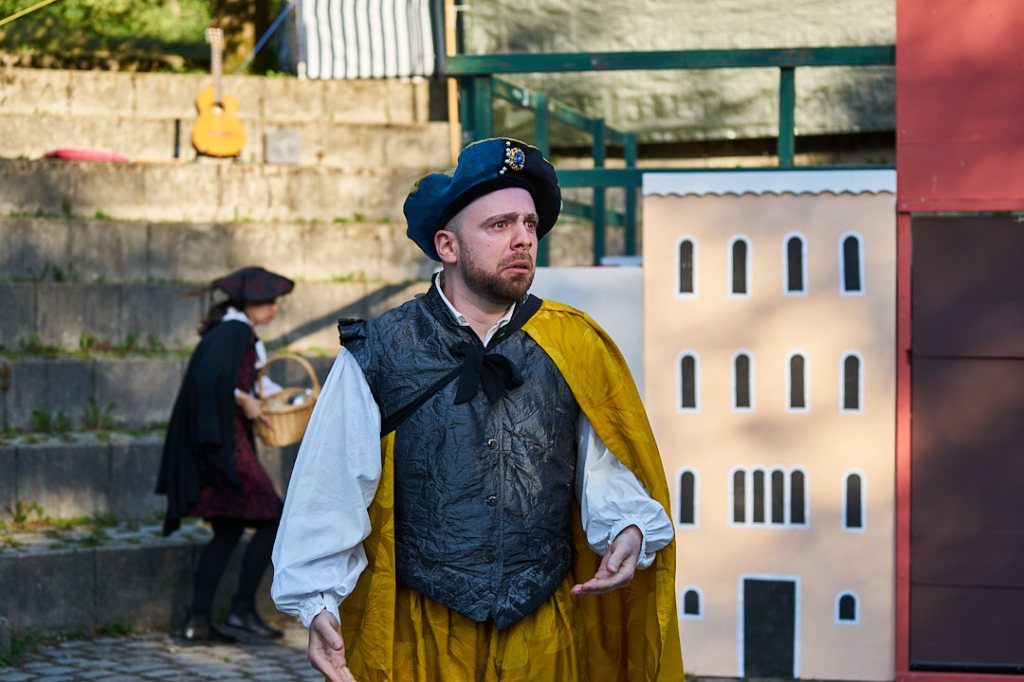




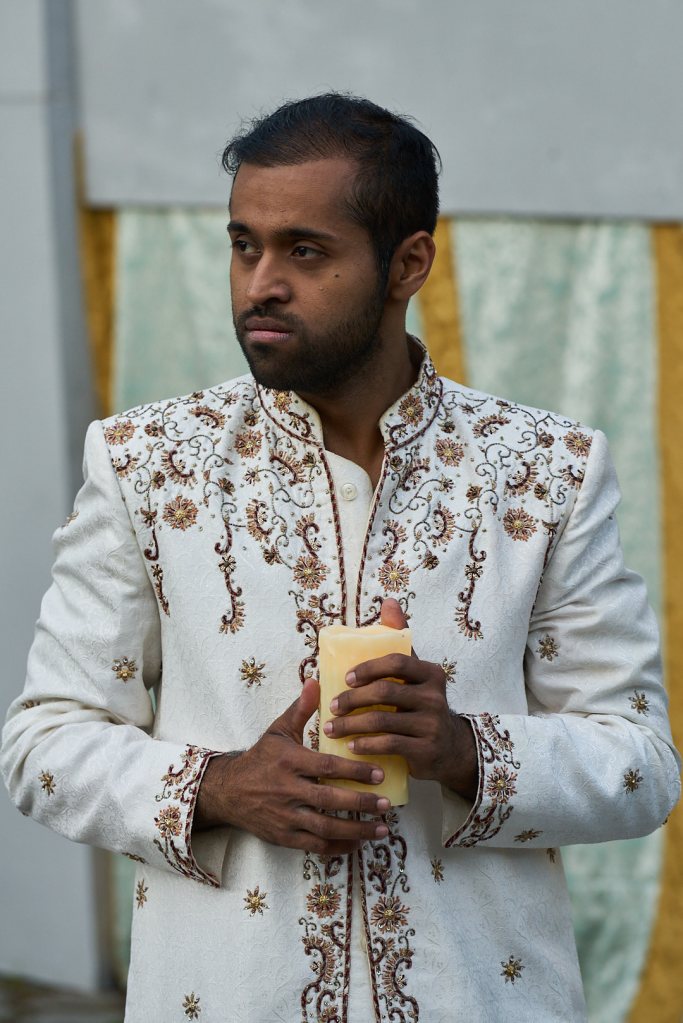


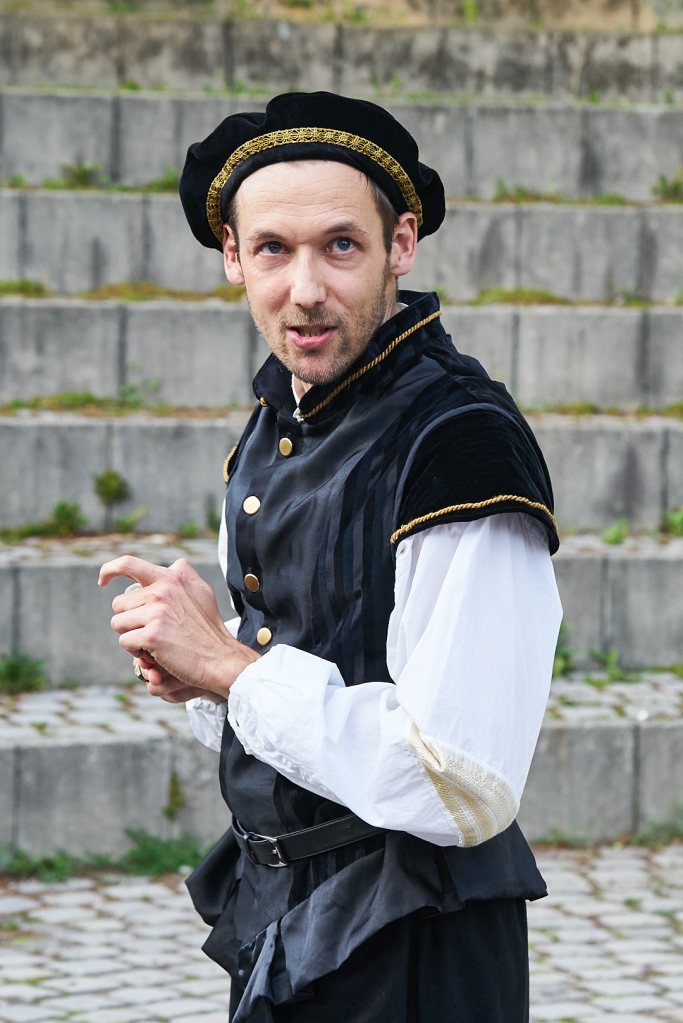


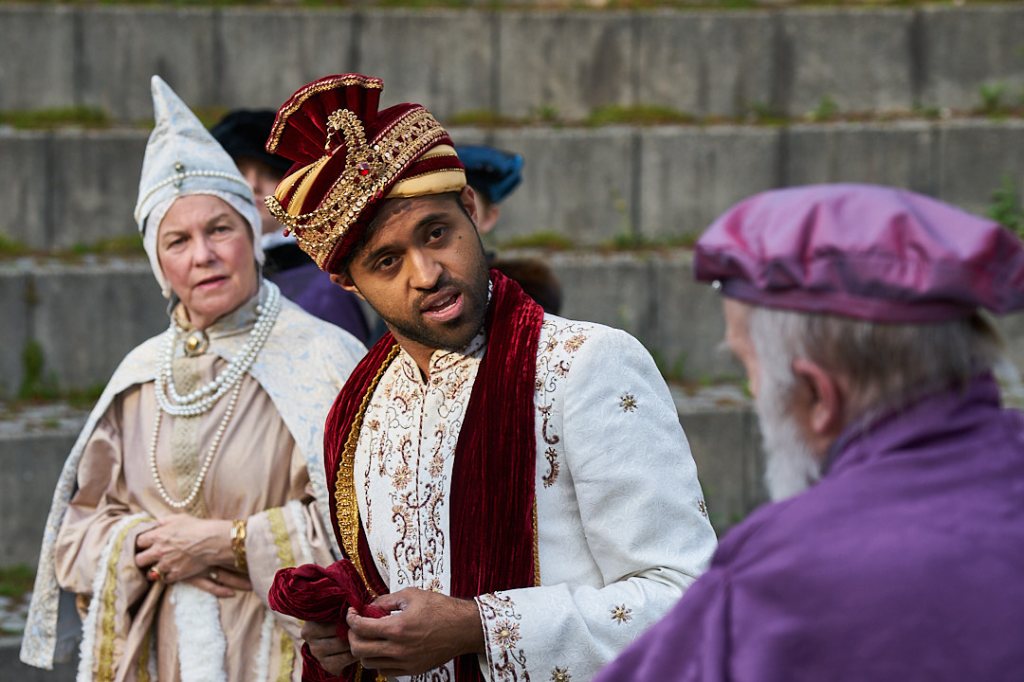




Photo credit: Tom Hafner



 Blogging Shakespeare & Theatre